- Bulletin 1Mailbox Lock Replacement: what to note firstAfter a winter of road spray and salt, the little lock on the mailbox door has gone stiff, then gritty, then almost immovable. Rust has crept in around the keyway, and the key barely turns anymore no matter how it is…Read
- Bulletin 2Master Key System Design: how the work is doneThe process behind a master key system runs from conversation to chart. First comes a walk-through of every door and a conversation about who needs to open what, now and as the business grows.Read
- Bulletin 3Motorcycle & Scooter Keys: reading the quotePicking manipulates the wafers to open the lock without necessarily learning their depths, useful when the goal is just to turn the lock once. Decoding reads each wafer's actual depth, usually with a scope or a…Read
Locksmith FAQ
Lockout Services
Will opening the door damage my lock?
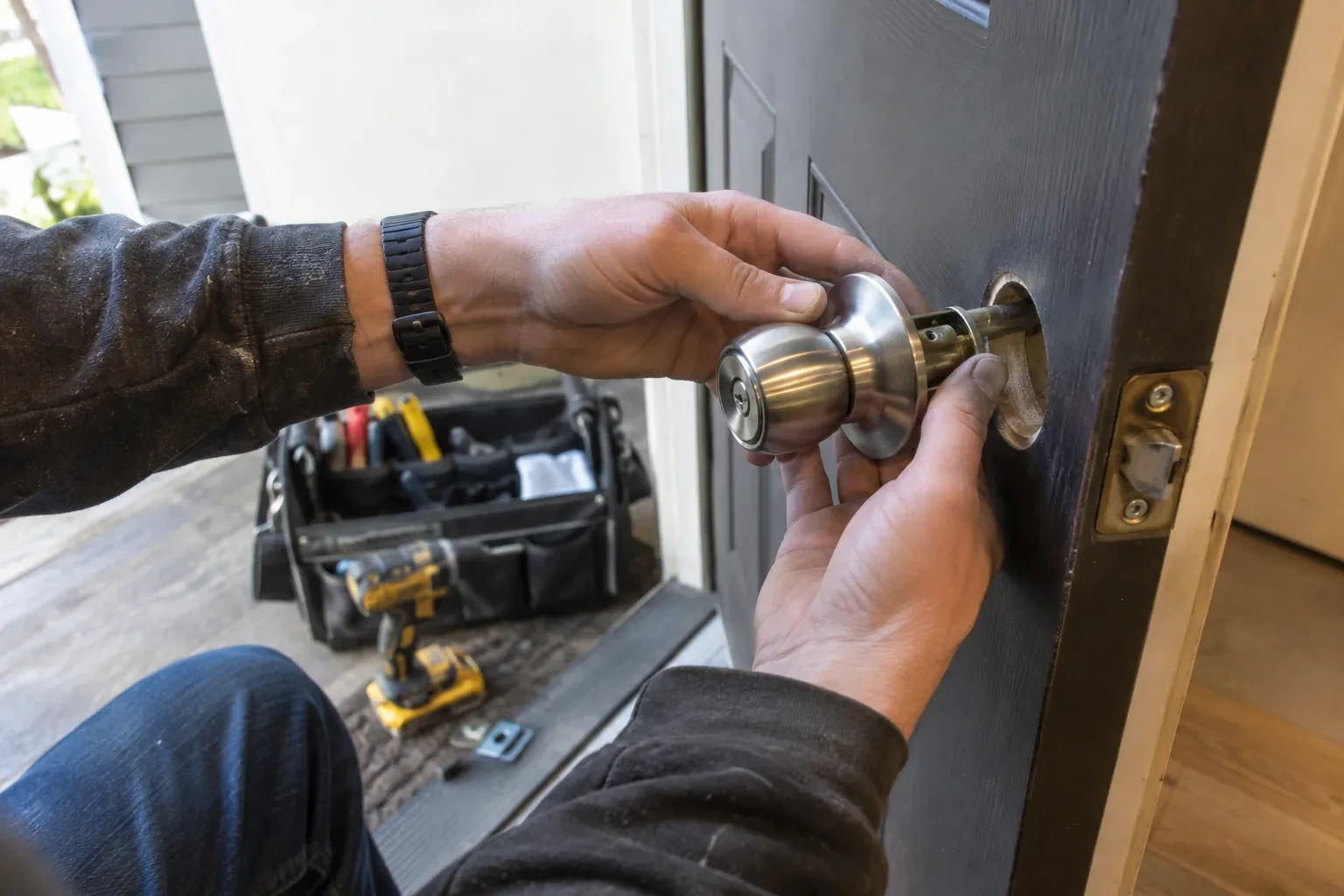
In most residential lockouts the lock is untouched. Picking, decoding and latch tools operate the mechanism the same way your key does, so there is nothing to repair afterwards. A drill only appears when a cylinder is seized, plugged by a snapped key or engineered against picking, and you hear about that before it starts. Should it come to that, replacement hardware goes on before the locksmith leaves so you lock up normally that evening. Home Lockout Service
I am an employee, not the owner. Can you still open the door for me?
Yes, with the owner or a manager in the loop. Tell the locksmith who can confirm you work there and how to reach them. A call to the business owner, the regional manager or the property manager, ideally on a number that can be looked up rather than one you supply, settles it. Staff on an opening shift arrange this on the phone before the locksmith arrives so nothing waits at the door. Business Lockout Service
Will extracting the piece damage my lock?
Extractor tools grip the key, not the lock, and are meant to leave the pins, springs and plug as they were: hooks and spirals ride in the keyway grooves beside the fragment and draw it out the way the key travels. It is not certain, though; a deeply lodged fragment or a prior failure can still leave a lock, especially a vehicle cylinder, needing further work. Damage most often comes from what happens before the locksmith arrives, mainly tweezers, screwdrivers and glue, which is why leaving the keyway alone matters. Broken Key Extraction
Can the locksmith start before the police have finished?
The door is left as found until the police have seen it or said they will not attend. What can happen in the meantime is planning: the locksmith can look at the damage, photograph it, measure for hardware and prepare the temporary securing so that the moment the scene is released the work begins. Nothing is removed or moved before then, because the marks on the door are part of the report. Break-In Damage Lock Repair
Change or Rekey Locks
Can the garage side door, shed and gate be included?
Yes, and they usually should be, because a side door into the garage is the opening most often forgotten and left on an old key. Any pin-tumbler cylinder on the property can be pinned to the house key if its keyway allows: the man-door into the garage, a shed, a keyed gate latch, and many padlocks. A mailbox lock is usually a small cam lock that is replaced rather than repinned. Mention every opening when you book so the right blanks and cylinders are in the van. Lock Rekeying
How do I look after a deadbolt once it is installed?
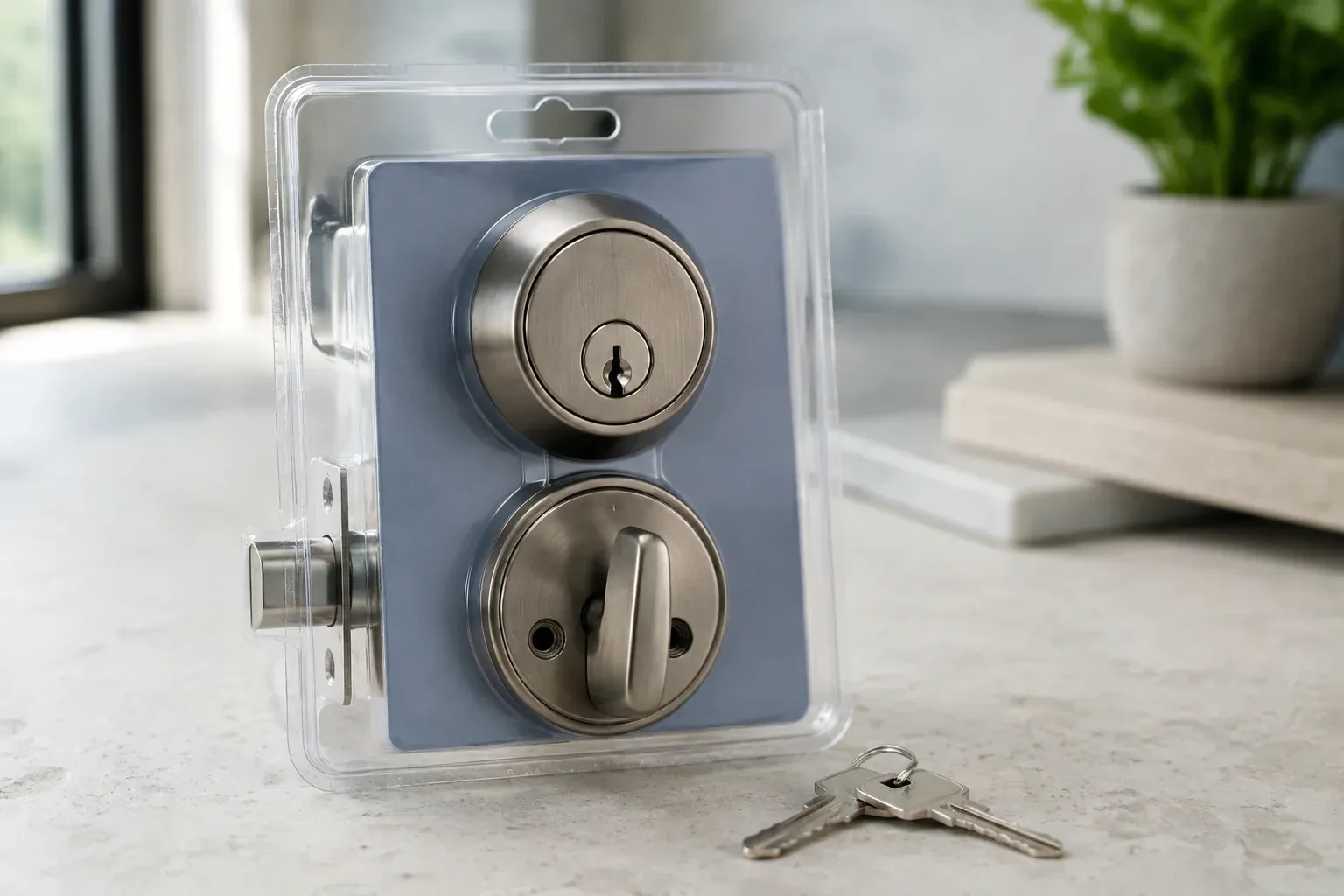
Very little is needed. Each spring and autumn, lock the door from inside and feel whether the bolt still goes home without the door being pulled; if it hesitates, the door has moved with the season and a small strike adjustment restores it. Whatever lubricant the lock's own maker specifies keeps it smooth, often a dry PTFE or graphite type in the keyway and along the bolt, though some cylinders are meant to be serviced with oil. In winter, wipe road salt off the outside trim to protect the finish. Deadbolt Installation
My door has glass beside it. Should I fit a deadbolt keyed on both sides?
A keyed interior cylinder means finding a key to get out, which is not what you want on a door people use every day. The steadier answer for a door with glass is a single-cylinder deadbolt with a thumb-turn, combined with a reinforced strike, a longer bolt and a security film or laminated glass in the sidelight. Lock Replacement & Upgrade
Does a rented home need the landlord involved for this work?
Repairing a lock so it works as before is ordinary maintenance, but anything that changes who can open the door, such as a rekeyed cylinder or new keys, is something a tenant and landlord are expected to agree on and share keys for. The locksmith asks up front who should receive keys and can leave a note of what was done for the property manager, so both sides know what is on the door. Vintage Mortise Lock Service
High Security Locks
What should I have ready before the visit?
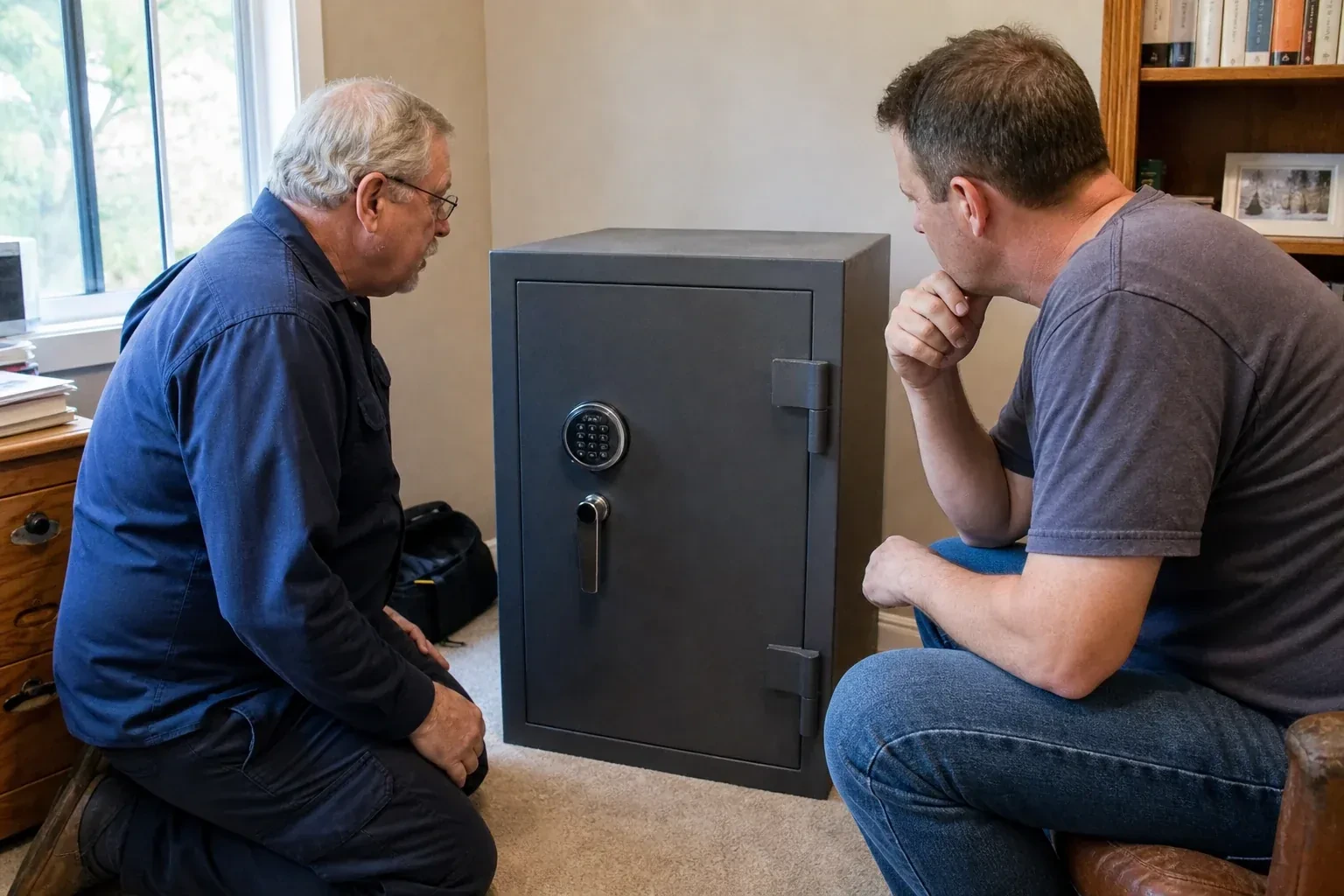
The safe's brand and model if you know them, whether the lock is a dial, a keypad or a key, roughly how old the safe is, and how the combination was lost or forgotten. Mention whether the safe holds anything with its own handling needs, such as firearms or business records, and how many people should have the new code afterward. Safe Opening & Combination Change
Will anchoring damage my flooring?
Anchoring leaves small holes at the anchor points, sized to the bolts being used, and on a finished floor these sit under the safe itself where they are never seen again. On tile, the risk of cracking nearby tiles is real enough that an alternative fastening point or a different spot in the room is often chosen instead of drilling straight through the tile itself. Safe Installation & Servicing
Should I upgrade the front door only, or every door?
Start with the doors that matter and the ones that are weakest, which are often not the same. Front doors usually carry the sturdiest hardware already; the side door by the driveway, the door from the garage and the basement walkout often carry the lightest locks and get the least attention. The assessment walks the whole perimeter with you so the upgrade goes where entry is most likely, and the remaining doors can join the same key later. High Security Locks
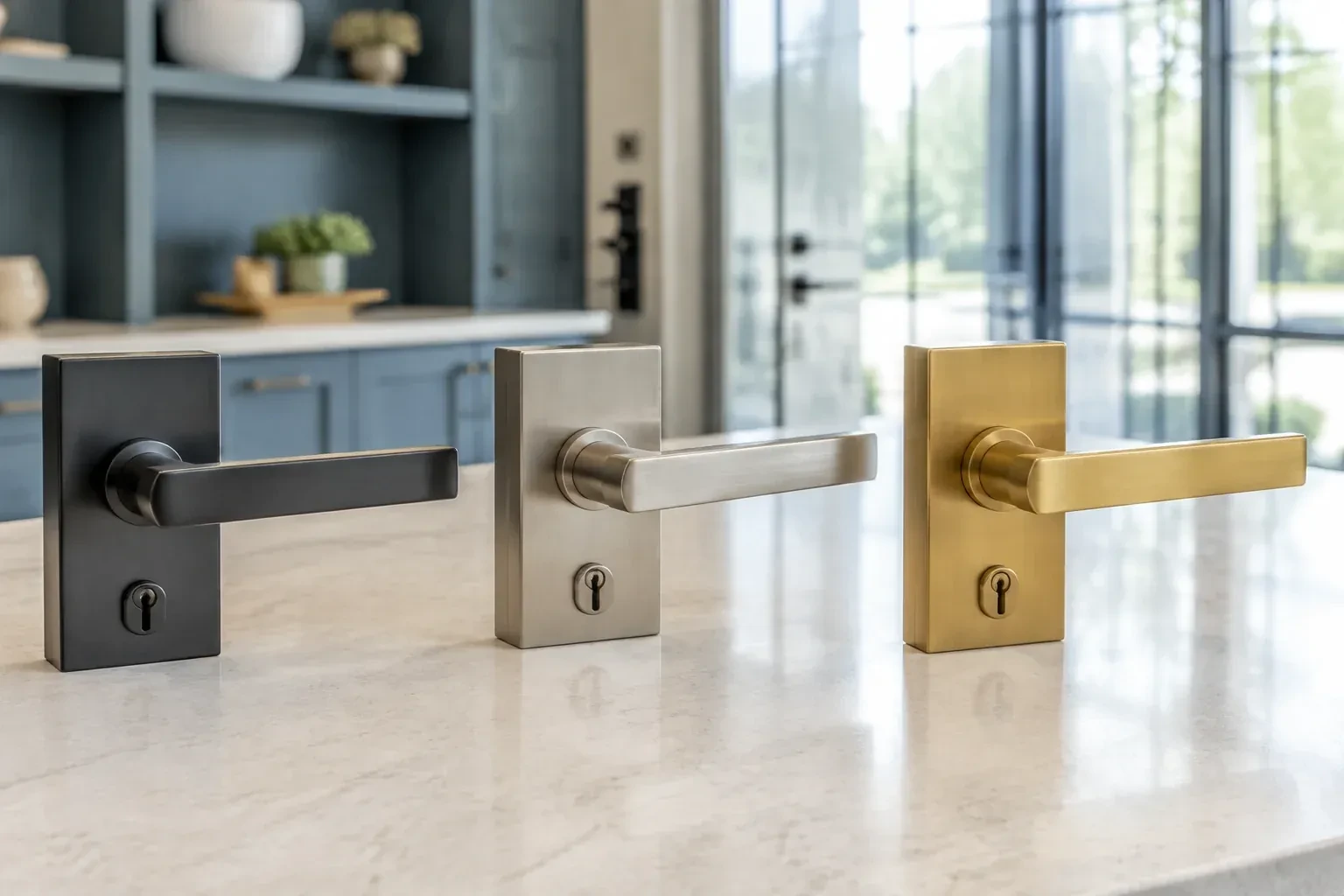
Commercial Locks
What condition does a lock need to be in to be rekeyed?
It needs a plug that rotates without catching, pins that return under their springs, and a face free of heavy corrosion or cracks. Most commercial cylinders in daily use pass easily. Ones that are stiff, gritty or green with salt bloom can sometimes be cleaned and repinned, and the locksmith will say when a replacement for that door is the better value; the rest of the doors are rekeyed regardless. Commercial Rekeying
What records should I keep once the system is installed?
The keying chart itself, a log of which key or fob was issued to which person or role, and receipts signed when keys change hands. Together these let the business answer, at any point, who currently holds which level and when it was issued, rather than relying on memory once the locksmith who built the system is no longer involved. Master Key System Design
What happens to the doors if the power goes out?
Outage behaviour depends on how that opening was built: battery backup can be sized to carry the reader, the lock and the controller through a typical outage, so a brief power loss need not lock anyone out or, on a fire-alarm-tied opening, lock anyone in, but that backup and any mechanical key override are specified per opening rather than assumed for every door. Fail-safe hardware unlocks once power has been out longer than the backup lasts; fail-secure hardware stays locked, and what opens it depends on the hardware chosen. Access Control Installation
How is occupant load actually counted for this decision?
Occupant load is calculated from the floor area and the intended use of the room, using published factors for that occupancy type, rather than a headcount taken on a busy night. A building official or a locksmith familiar with the calculation can work through it for a specific room, and the result is what decides whether the exit doors serving that room need a releasing device. Panic & Exit Hardware
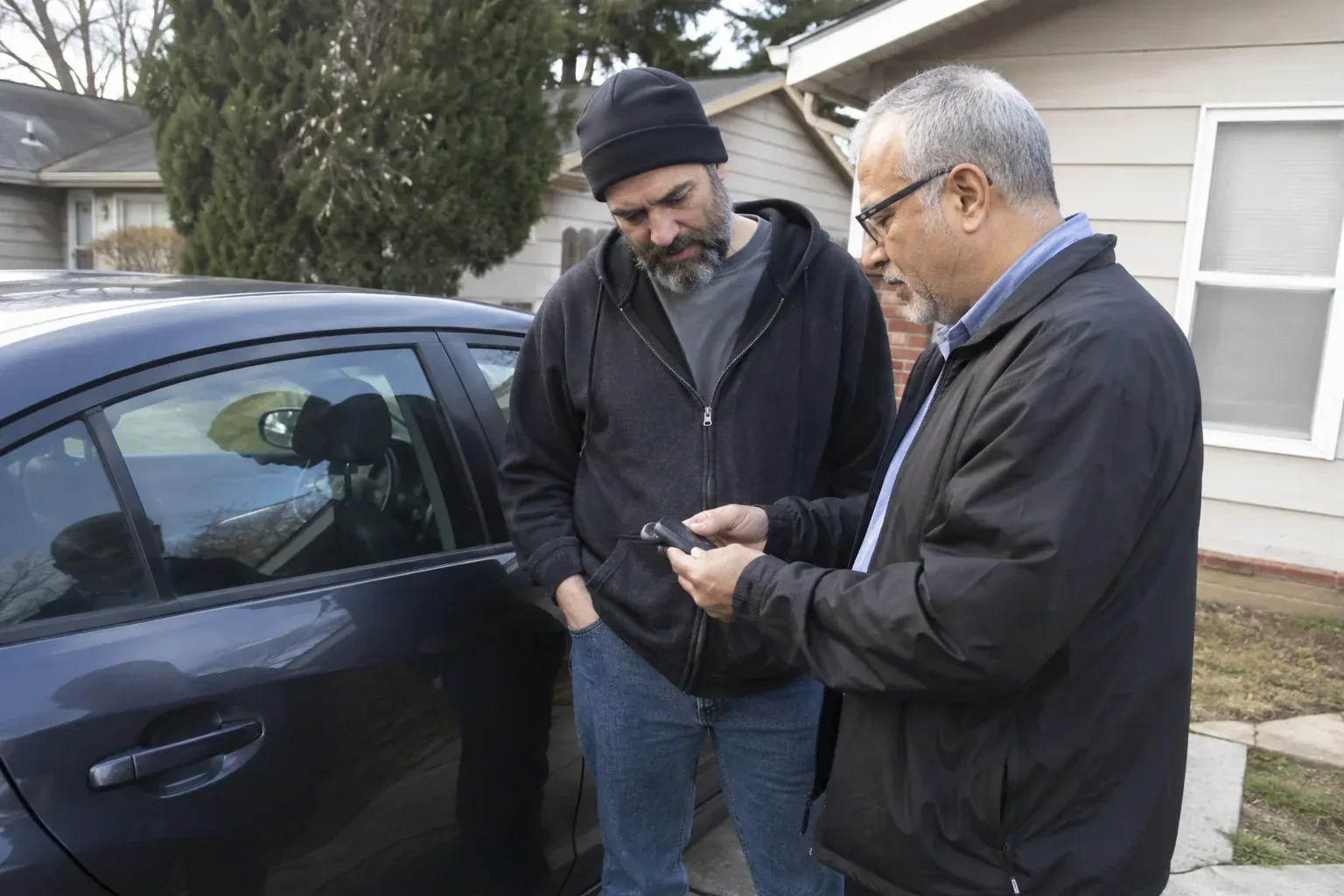
Car Keys
Will you need to see identification before opening my car?
Yes, and it is the part of the visit that protects you most. Photo identification matched against the vehicle permit, the insurance card or a rental agreement shows the car is yours to open. The permit carries the owner's name and plate number, so the match is straightforward. Roadside clubs ask their locksmiths for the same check, and every car owner benefits from a trade that asks before it opens. Car Lockout Service
After a break-in the doors and ignition are on different keys. Can that be fixed?
Yes. When a door lock is forced and replaced, or an ignition is swapped, the car can end up needing two blades. A locksmith can rekey the replacement cylinder to match the surviving one, so a single key operates every lock again, and cut new keys to that combination. The transponder side is unchanged by the lock work, so your existing programmed keys carry on starting the car once the blades match. Car Key Replacement
Will the spare include the remote buttons?
If the original has remote buttons and you want the spare to match, yes: the new key or fob is programmed to the vehicle's receiver so locking, unlocking and any other remote function respond the same way from either key. If a simpler spare is preferred instead, the remote portion can be left out while the chip that starts the car is still fully recognized. Spare Car Key Duplication
What if my vehicle turns out to need dealer-only programming?
Some manufacturers restrict fob programming to a security-gated procedure that only a dealer system or an approved access pathway can complete. When a vehicle falls into that category, the visit identifies it early, explains what the vehicle specifically requires, and documents anything already confirmed, such as a compatible fob, so the eventual dealer visit is not starting the diagnosis over from nothing. Key Fob Programming